

The evolution of gambling a journey through history
The Ancient Beginnings of Gambling
The history of gambling can be traced back to ancient civilizations, where games of chance were an integral part of social and cultural life. Archaeological evidence suggests that Chinese citizens engaged in gambling activities as early as 2300 BCE, with rudimentary games using tiles and sticks. In ancient Rome, betting on gladiatorial contests and chariot races was commonplace, reflecting the society’s fascination with chance and competition. These early forms of gambling laid the groundwork for more organized and formalized systems that emerged later in history. With our guide on the best casinos, you can discover exciting options like payid australian casino that cater to modern players.

Gambling practices also flourished in ancient Egypt, where the pharaohs placed high bets on the outcomes of various games, often resulting in lavish celebrations for the winners. The widespread popularity of gambling in these civilizations underscores its role as a means of entertainment and social engagement, transcending barriers of class and culture. As these early societies developed, so too did their methods and games, evolving from simple chance-based activities to more complex structures involving strategies and rules.
The introduction of dice, which can be traced back to as early as 3000 BCE in India, revolutionized gambling. These small, random-number generating devices allowed for a more diverse array of games. The emergence of gambling in ancient cultures established a rich tapestry of traditions, beliefs, and practices that have influenced modern gambling, reflecting humanity’s enduring fascination with luck and risk-taking.
The Rise of Formalized Gambling Institutions
The Middle Ages marked a significant shift in the evolution of gambling, as the formation of structured betting establishments began to take shape. During this period, gambling houses emerged in Europe, particularly in Italy and France, where games such as baccarat and chemin de fer gained popularity. The establishment of these venues introduced formal rules and regulations, elevating gambling from informal gatherings to organized experiences that attracted a broader audience.
The 17th and 18th centuries witnessed the birth of modern casinos, with Venice opening the first official casino in 1638. This marked a turning point in the gambling landscape, as establishments began to cater to the affluent elite, offering luxurious surroundings and a variety of games. The evolution of casinos allowed for a combination of entertainment, socializing, and gambling, providing patrons with a new form of leisure that would become entrenched in European culture.
Simultaneously, lotteries gained prominence as a legitimate form of gambling, often used to fund public projects and government initiatives. By the 19th century, lotteries had spread across Europe and the Americas, appealing to both the masses and the upper class. As more sophisticated systems developed and regulations were introduced, gambling became more accepted as a viable form of entertainment and a potential source of revenue for governments, paving the way for the modern gambling industry.
The 20th Century and the Expansion of Gambling
The 20th century saw a significant transformation in the gambling landscape, particularly in the United States. The repeal of Prohibition in 1933 allowed casinos to flourish, particularly in Nevada, which established Las Vegas as the gambling capital of the world. The city quickly became synonymous with extravagant entertainment, lavish shows, and a variety of gaming options, attracting millions of visitors annually. Las Vegas played a pivotal role in reshaping public perception of gambling, positioning it as a form of leisure and excitement.
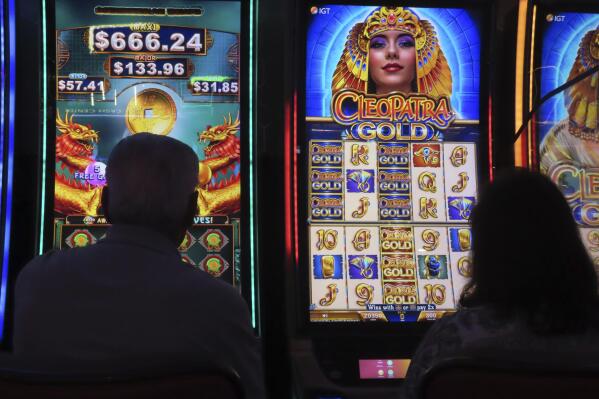
As gambling became increasingly mainstream, various forms of gaming emerged, including poker rooms, sports betting, and slot machines. The introduction of electronic gaming machines in the latter half of the century further revolutionized the industry, providing players with new and engaging ways to gamble. This period marked a critical shift towards a more commercialized and accessible gambling environment, catering to a broader demographic and significantly increasing revenue streams.
Globalization in the latter part of the 20th century also contributed to the spread of gambling. Countries around the world began to recognize the economic potential of regulated gambling markets, leading to the establishment of casinos and gaming laws in various regions. This expansion opened doors for international tourism and investment, as well as a diversification of gaming offerings, from traditional games to innovative online platforms.
The Digital Revolution and Online Gambling
The advent of the internet in the late 20th century ushered in a new era for gambling, allowing it to transcend geographical barriers. The first online casino launched in 1994, marking the beginning of a digital gambling revolution. Players no longer needed to visit physical casinos to enjoy their favorite games, as online platforms provided convenience and accessibility from the comfort of their homes. This shift significantly broadened the gambling audience, attracting tech-savvy individuals and younger generations.
Online gambling platforms quickly evolved, offering a wide range of games, including virtual slots, poker, and sports betting. The integration of technology allowed for enhanced user experiences, featuring live dealer games that replicated the atmosphere of traditional casinos. The rise of mobile gambling further propelled the industry’s growth, enabling players to gamble on-the-go via smartphones and tablets.
Regulatory frameworks began to adapt to this new digital landscape, with many governments implementing laws to oversee online gambling and protect consumers. As a result, the online gambling market has grown exponentially, with billions in revenue generated each year. The digital revolution not only transformed how people engage with gambling but also set the stage for future innovations and trends that continue to shape the industry.
Exploring Online Gaming Today
Today, the online gambling industry is a multi-billion-dollar enterprise, with countless platforms available to cater to various preferences and gaming styles. In Australia, for instance, online casinos have gained immense popularity, offering a plethora of games and innovative features. Websites focused on providing the best gaming experiences for players emphasize security, fast payments, and low deposit options, ensuring that users can engage safely and conveniently.
Comparative analyses of online casinos highlight different bonuses, promotions, and game selections that enhance the gambling experience. Expert reviews and player testimonials further guide potential users in selecting the right platforms that best suit their needs. As online gambling continues to evolve, the emphasis on user-friendly interfaces and robust customer support plays a crucial role in attracting and retaining players.
As the industry progresses, emerging technologies such as virtual reality and blockchain are poised to redefine online gambling further. These innovations aim to create immersive experiences while ensuring transparency and security in transactions. With the continuous evolution of gambling, both online and offline, players can anticipate an exciting future in this dynamic world of chance and strategy.